
Keeping interior doors closed can limit your cat’s freedom and create frustration for both pets and owners. Many homes struggle with balancing privacy, temperature control, and giving cats the independence they crave. Without a dedicated solution, you may find yourself constantly opening doors or dealing with scratched surfaces and unwanted messes.
Cat doors for interior walls offer a practical way to let your pet move freely between rooms while maintaining your home’s comfort and security. In this guide, we’ll compare the best cat doors for interior walls, highlighting their strengths, installation needs, and unique features so you can choose the right option for your space and your pet’s needs.


Top 8 Best Cat Doors For Interior Walls
Finding the right Cat Doors For Interior Walls isn’t always straightforward. To simplify the process, we compared leading products and shortlisted the ones that truly stand out.
1. VOSOIR Cat Door All-Aluminum Heavy Duty
When you need a cat door that stands up to heavy use and resists wear over time, a fully metal option is a smart investment. Cat doors for interior walls help maintain room separation while giving pets the freedom to roam, and durability is key for long-term satisfaction.
The VOSOIR Cat Door All-Aluminum Heavy Duty is ideal for owners who want maximum strength and longevity. Its all-aluminum construction resists rust, deformation, and paint peeling, making it suitable for homes with active pets or high-traffic areas.
- All-aluminum alloy frame offers superior durability and resists rust or warping for years of use
- Expandable channel fits wall thicknesses from 3.95" to 7.5", accommodating a wide range of interior wall types
- Magnetic seals and high-density dust strips improve insulation and help block drafts, insects, and dust
Compared to plastic or mixed-material alternatives, this VOSOIR model prioritizes strength and weather resistance. The tradeoff is a slightly more involved installation process due to its robust build.
- All-metal frame construction
- Rust and deformation resistant
- Energy-efficient magnetic seals
- Fits thick interior walls
- Includes secure closing panel
- Installation requires careful measuring
- Heavier than plastic models
2. XREY Cat Door No-Flap Easy Install
For households seeking a quick, no-fuss solution to give cats access between rooms, a simple, flapless cat door is often the easiest answer. Cat doors for interior walls should be easy to install and blend with your home’s look, especially for renters or those new to DIY projects.
The XREY Cat Door No-Flap Easy Install stands out for its straightforward installation and discreet design. It’s perfect for anyone who wants a tool-free setup and a cat door that doesn’t draw attention.
- Precise template and guide make installation on standard interior doors fast and simple
- Scratch-resistant ABS plastic ensures long-lasting use and easy cleaning
- Flush-mount, modern white finish integrates seamlessly with most interior doors
Unlike traditional flap models, this XREY door eliminates moving parts, reducing maintenance and noise. The tradeoff is less insulation, making it best for interior use only.
- Quick installation process
- No training needed for cats
- Durable ABS plastic build
- Low-profile, discreet look
- Fits most standard doors
- No insulation for drafts
- Not suitable for exterior walls
3. PetSafe Plastic Pet Door Easy Install

If you want a basic, reliable way for your cat to move between rooms, a plastic pet door is a tried-and-true solution. Cat doors for interior walls should be easy to install and provide secure, controlled access for your pet.
The PetSafe Plastic Pet Door Easy Install is a strong choice for those who want a straightforward, customizable option. It’s well-suited for small pets and fits a range of door materials, making it versatile for many home layouts.
- Paintable plastic frame allows you to match the door to your decor
- Lockable slide panel gives you control over when your pet can use the door
- Weather-resistant flap provides basic insulation and smooth swinging action
Compared to all-metal or steel-framed doors, this model is lighter and easier to install but may not offer the same level of durability or insulation.
- Easy DIY installation
- Customizable frame color
- Lockable for security
- Fits multiple door materials
- Plastic less durable than metal
- Limited insulation for extreme temps
4. Decormax Cat Door Steel Frame Double Flap

Homes in areas with changing weather need a cat door that keeps out drafts and moisture while letting pets move freely. Cat doors for interior walls with weatherproofing features help maintain comfort and energy efficiency.
The Decormax Cat Door Steel Frame Double Flap is designed for durability and insulation. Its rust-proof steel frame and double magnetic flaps make it a great fit for households that want to minimize heat loss and keep the elements out.
- Rust-proof steel frame withstands chewing, scratching, and years of use
- Double magnetic flaps create a strong seal against wind, rain, and snow
- Three-mode safety control lets you choose between full open, full lock, or partial access
Compared to single-flap or plastic models, this Decormax door prioritizes insulation and security. The tradeoff is a slightly bulkier design and more steps during installation.
- Steel frame resists damage
- Double flap for insulation
- Three access modes
- Fits thick walls
- Easy flap replacement
- Bulkier than basic models
- Installation takes extra steps
5. Baboni Pet Door Steel Frame Double Flap
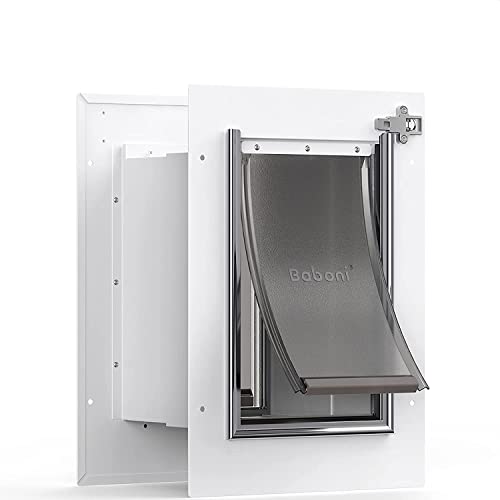
For pet owners who want a secure, energy-efficient cat door that fits a variety of wall types, a steel-framed, double-flap design is a reliable choice. Cat doors for interior walls should offer both durability and effective weatherproofing.
The Baboni Pet Door Steel Frame Double Flap stands out for its robust build and telescoping tunnel, making it suitable for thicker walls and frequent use. It’s ideal for those who need a sturdy, lockable option for small pets.
- Metal laser-welded frame ensures long-term durability and security
- Double-flap system provides improved insulation and weatherproofing
- Telescoping tunnel accommodates wall thicknesses from 4 3/4" to 7 1/4"
Compared to plastic or single-flap doors, this Baboni model prioritizes strength and energy savings. The tradeoff is a more involved installation process and a higher price point.
- Steel and aluminum alloy frame
- Double-flap for energy savings
- Fits thick interior walls
- Secure locking mechanism
- Complete installation kit
- Not for large pets
- Requires wall cutting
6. PetSafe Never Rust Wall Entry Pet Door
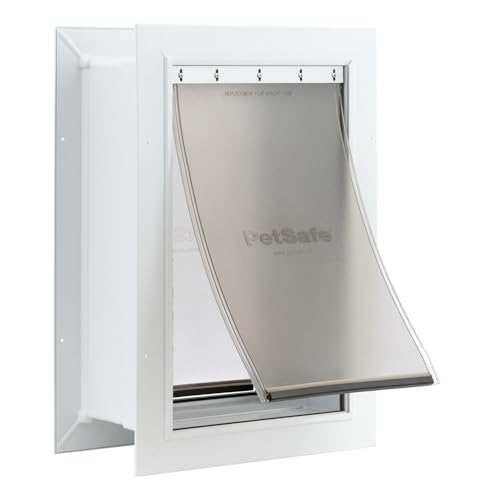
If you’re looking for a lightweight, rust-proof cat door that’s easy to install in a wall, a plastic model with a telescoping frame is a practical solution. Cat doors for interior walls should balance ease of use with insulation and long-term reliability.
The PetSafe Never Rust Wall Entry Pet Door offers a rust-free plastic frame and double-flap insulation, making it a good fit for homes where moisture or humidity might be a concern. It’s suitable for small pets and a variety of wall types.
- Durable plastic frame resists rust and stands up to UV exposure
- Telescoping tunnel fits walls from 4 3/4" to 7 1/4" thick
- Double-flap design improves insulation and energy efficiency
Compared to metal-framed doors, this PetSafe model is lighter and easier to handle but may not be as robust against heavy use or chewing.
- Rust-free plastic construction
- Double-flap for insulation
- Fits a range of wall types
- Slide-in closing panel
- Plastic less sturdy than metal
- Not for large or aggressive pets
7. VOSOIR Cat Door All-Aluminum Double Flap

For pet owners who want a durable, insulated cat door with easy maintenance, a double-flap aluminum model is an excellent choice. Cat doors for interior walls should combine security, comfort, and convenience for both pets and owners.
The VOSOIR Cat Door All-Aluminum Double Flap is built for small pets and features a quick-release flap system, making cleaning and replacement straightforward. It’s best for those who value both insulation and low maintenance.
- All-aluminum alloy build provides rust resistance and long-term durability
- Double flaps with magnetic strips offer strong insulation and quiet operation
- Quick-release flap design allows for fast cleaning or replacement
Compared to single-flap or plastic models, this VOSOIR door prioritizes easy maintenance and insulation. The tradeoff is a more complex installation and a higher initial investment.
- All-metal construction
- Double flaps for insulation
- Quick-change flap system
- Secure dual locks
- Fits thick walls
- Installation can be complex
- Heavier than plastic options
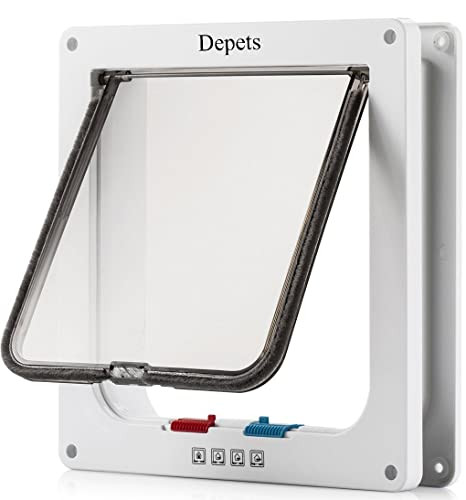
8. Depets Large Cat Door 4-Way Locking
When flexibility in placement is a priority, a cat door that fits not just walls but also windows, doors, and cupboards can be a major advantage. Cat doors for interior walls should be adaptable to various locations and provide control over pet movement.
The Depets Large Cat Door 4-Way Locking is ideal for owners who want to install a cat door in a range of surfaces. Its four locking modes give you full control, making it suitable for both curious and cautious pets.
- Four-way locking system allows in-only, out-only, both, or fully locked modes
- ABS plastic build is weather-resistant and easy to clean
- Transparent flap lets pets see through, reducing anxiety
Compared to wall-only models, this Depets door prioritizes versatility and placement options. The tradeoff is less insulation and a more basic build.
- Multiple locking modes
- Fits doors, windows, cupboards
- Easy to install
- Transparent flap for visibility
- Weather-resistant design
- Less insulation than wall models
- Plastic frame less durable
Buying Guide: How to Choose the Best Cat Door for Interior Walls
Cat doors for interior walls are a practical addition for pet owners who want to give their cats (and sometimes small dogs) more independence while maintaining privacy and comfort in the home. Choosing the right model involves balancing durability, insulation, ease of installation, and pet safety. Many buyers underestimate the importance of wall thickness compatibility, insulation, and the tradeoffs between different materials and locking mechanisms.
- Flap vs. No-Flap Designs: Flap doors offer insulation and weather protection, while no-flap options are easier to install and maintain but provide less draft control.
- Material Matters: Aluminum and steel frames provide superior durability and rust resistance; plastic models are lighter and easier to install but may not last as long.
- Wall Thickness Compatibility: Not all doors fit every wall; telescoping tunnels and expandable channels help accommodate a range of wall thicknesses.
- Locking and Security Features: Multi-mode locks and closing panels allow you to control pet access and improve home security.
- Pet Size and Weight Limits: Always check the opening dimensions and weight recommendations to ensure a comfortable fit for your pet.
- Installation Complexity: Some models are designed for quick, tool-free setup, while others require careful measuring and wall cutting.
- Insulation and Weatherproofing: Double-flap and magnetic-seal models offer better protection against drafts and temperature changes, important even for interior walls in some climates.
- Common Misunderstandings: Many buyers assume all cat doors are interchangeable or that any model will fit their wall; always verify specifications before purchasing.
Choosing Between Flap and No-Flap Cat Doors
The biggest decision is whether you want a traditional flap door or a fixed, no-flap opening. Flap doors provide better insulation and help block drafts, which is useful if the door separates temperature-controlled rooms. No-flap models are best for quick, hassle-free installation in spaces where insulation is less of a concern.
- Flap doors: Better for insulation, noise reduction, and privacy
- No-flap doors: Simplest to install, minimal maintenance, but less draft protection
Material and Durability: Metal vs. Plastic
Frame material affects both the longevity and appearance of your cat door. Metal frames (aluminum or steel) are more durable and resist rust, making them ideal for high-traffic areas or homes with active pets. Plastic frames are lighter and easier to install but may be less robust over time.
- Metal frames: Best for durability and long-term use
- Plastic frames: Easier to install, often more affordable, but less sturdy
Wall Thickness and Installation
Not all cat doors fit every wall. Telescoping tunnels and adjustable channels are essential for thicker or non-standard walls. Always measure your wall before purchasing and check the product’s specifications for compatibility.
- Telescoping/expandable tunnels: Allow for installation in thicker walls
- Standard frames: Best for typical interior doors or thin partitions
Locking Mechanisms and Security
Some doors offer multi-mode locks or slide-in panels to control pet access and improve security. This is especially important if you want to restrict movement at certain times or keep other pets out.
- 4-way locks: Provide maximum control over entry and exit
- Simple slide panels: Offer basic security for when the door isn’t in use
Sizing for Your Pet
Choosing the right size is crucial for your pet’s comfort and safety. Check both the flap/opening dimensions and the maximum pet weight supported. Oversized doors may reduce insulation, while undersized doors can be uncomfortable or unsafe for your pet.
Final Buying Advice
Choosing the best cat door for your interior wall comes down to matching your home’s needs with your pet’s habits and size. Consider installation complexity, durability, and the level of insulation you require.
- Measure your wall thickness and pet size before buying
- Choose metal frames for maximum durability
- Opt for double-flap or magnetic models for better insulation
- Select no-flap or plastic models for quick, easy setup
- Don’t assume all doors fit all walls—always check compatibility
FAQ For Cat Doors For Interior Walls
1. How do I measure my wall for a cat door?
2. Can these cat doors be installed in exterior walls?
3. Are metal-framed cat doors better than plastic ones?
4. What is the benefit of a double-flap cat door?
5. How do I choose the right size cat door?
6. Do I need special tools to install a cat door in a wall?
7. Can I lock the cat door to restrict access?

James Vega
Related Posts
- Top 10 Best Dog Furniture Covers
- Best Large Dog Beds: Top Picks
- Best Dog Beds To Comfort & Support: Top Picks
- Best Dog Beds For Cane Corso: Top Picks
- Best Car Dog Beds: Top Picks
- Best Detanglers For Matted Dog Hair: Top Picks
- Best Bernedoodle Dog Beds: Top Picks
- Best Friend By Sheri Dog Beds: Top Picks
- Best Dog Beds For Labs: Top Picks
- Top 8 Best Dog Beds For Couch
- Best Dog Screen Doors: Top Picks
- Best Big Dog Beds: Top Picks
- Top 8 Best Dog Houses
- Top 5 Best Dog Playpens
- Best Bedspreads For Dog Hair: Top Picks
- Best Rated Dog Crates: Top Picks
- Top 7 Best Large Dog Water Dispensers
- Top 7 Best Escape Proof Dog Crates
- Best Automatic Dog Feeders: Top Picks
- Best Materials For Dog Water Bowls: Top Picks