
Finding high-quality frozen smelt fish can be challenging, especially when you want a product that’s responsibly sourced and easy to prepare at home. With so many seafood options on the market, it’s easy to feel overwhelmed by labels, sourcing claims, and different processing methods.
This guide brings clarity by comparing the best frozen smelt fish and similar alternatives, highlighting what sets each product apart. Whether you’re looking for traceable sourcing, convenient meal options, or pet-friendly treats, you’ll find practical advice to help you choose the right seafood for your needs.

Top 5 Best Frozen Smelt Fish
To save you time and guesswork, we researched and compared top-rated best Frozen Smelt Fish products and selected the best options available today.
1. Omstead Smelts 16 OZ Responsibly Sourced
For those concerned about where their seafood comes from, finding smelt that's responsibly sourced and free from unwanted additives is a real need. This product addresses the desire for transparency and peace of mind in your seafood choices.
Omstead Smelts stand out for their commitment to traceability and responsible farming or wild-caught methods. They're a solid pick for home cooks who value knowing exactly where their food comes from and want to avoid certain preservatives.
- Traceable sourcing: Each batch can be traced back to its farm or fishery, supporting informed choices
- Additive-conscious: Free from sodium bisulfite and STPP, appealing to those avoiding specific preservatives
- Responsibly farmed or wild-caught: Offers flexibility for buyers who prioritize sustainability
Compared to typical frozen smelt, Omstead puts traceability and sourcing transparency first, even if that means a slightly narrower focus on availability or variety. The tradeoff is a more limited selection, but greater peace of mind for the conscientious buyer.
- Traceable to source
- No sodium bisulfite or STPP
- Responsibly farmed or wild-caught
- Sustainability focus
- Clear sourcing information
- Limited availability
- Not the lowest-cost option
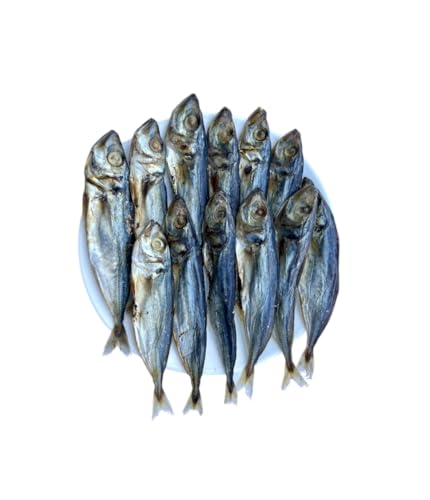
2. Sun Dried Seafood Dried Blue Mackerel Scad 200g
If you're looking for a shelf-stable seafood snack or cooking ingredient, dried fish offers a convenient and long-lasting solution. Many buyers want assurance that their dried seafood is free from unnecessary chemicals.
Sun Dried Seafood's Blue Mackerel Scad is wild-caught, sun-dried, and vacuum-sealed without any chemical additives. It's a great fit for those who want a natural, portable seafood product for snacking or recipes.
- Wild-caught sourcing: Appeals to buyers who value natural fishing methods
- Chemical-free processing: No preservatives or additives, supporting clean eating
- Vacuum-sealed packaging: Helps maintain freshness and extends shelf life
Unlike frozen or breaded options, this dried fish prioritizes simplicity and storage convenience, but may not suit those seeking a ready-to-cook meal. The main tradeoff is texture and preparation style compared to fresh or frozen fillets.
- Wild-caught
- Chemical-free
- Sun-dried for shelf stability
- Vacuum-sealed packaging
- Not ready-to-eat for all dishes
- Distinct dried texture
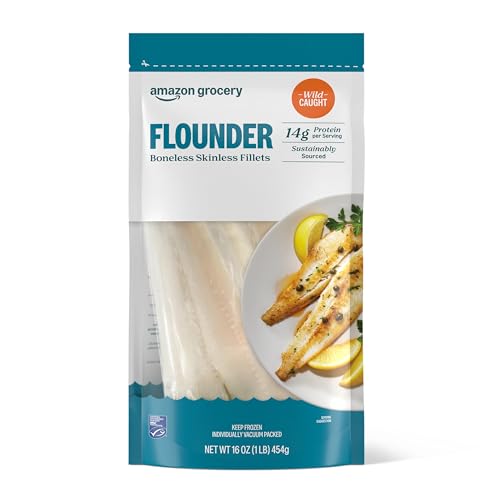
3. Amazon Fresh Wild Caught Flounder Fillet Portions
For home cooks who want a mild, versatile white fish that's easy to store and prepare, frozen flounder fillets are a practical solution. Many buyers look for sustainable sourcing and convenient packaging.
Amazon Fresh's Wild Caught Flounder comes in a 1-pound resealable bag, making it easy to portion and keep fresh between uses. It's ideal for families or individuals who want a reliable, sustainably sourced fish for grilling, baking, or pan-frying.
- Resealable bag: Simplifies storage and helps prevent freezer burn
- MSC-certified sustainable sourcing: Supports environmentally conscious choices
- Boneless, skinless portions: Saves prep time and reduces waste
Compared to whole or breaded fish, these fillets focus on convenience and versatility, but might not satisfy those seeking traditional smelt or small whole fish. The tradeoff is less of a classic smelt experience, but more flexibility in meal planning.
- Resealable packaging
- MSC-certified
- Boneless and skinless
- Mild flavor
- Versatile for recipes
- Not traditional smelt
- Milder taste than some options
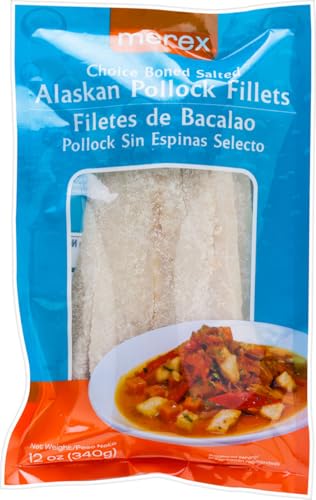
4. Merex Choice Boned Salted Alaskan Pollock Fillets
Salted fish fillets are valued for their extended shelf life and distinctive flavor, making them a staple in many home kitchens. Buyers often seek a product that's easy to store and ready for various recipes.
Merex's Choice Boned Salted Alaskan Pollock Fillets offer a convenient, pre-boned option for those who enjoy the taste and preservation benefits of salted fish. They're well-suited for home cooks who appreciate traditional preservation methods and want a versatile ingredient.
- Salted preservation: Extends shelf life and adds unique flavor
- Boned fillets: Reduces prep time and simplifies cooking
- Alaskan pollock: A familiar, mild-tasting white fish
Compared to fresh or breaded fish, this salted option emphasizes longevity and flavor, but requires soaking or preparation to reduce saltiness. The main tradeoff is the need for extra prep before serving.
- Salted for preservation
- Boned for convenience
- Mild white fish
- Versatile ingredient
- Requires soaking
- Saltier than fresh options
5. Raw Paws Freeze Dried Minnows 2 OZ

Pet owners seeking a simple, nutritious treat often struggle to find options without unnecessary fillers or additives. Freeze-dried fish treats offer a natural, protein-rich snack for cats and dogs.
Raw Paws Freeze Dried Minnows are made from 100% single-ingredient minnows, gently processed to preserve nutrients. They're ideal for pets with sensitivities or anyone wanting a pure, grain-free treat.
- Single-ingredient formula: No fillers, grains, or artificial additives
- Freeze-dried processing: Retains nutrients and flavor without preservatives
- Sourced from Lake Erie: Regional sourcing for added transparency
Compared to multi-ingredient pet treats, this option focuses on purity and simplicity, but may not appeal to pets with specific taste preferences. The tradeoff is less variety in flavor, but maximum ingredient transparency.
- Single-ingredient
- No grains or fillers
- Freeze-dried for nutrients
- Great for sensitive pets
- Convenient resealable bag
- Limited flavor variety
- Small package size
Buying Guide: How to Choose the Best Frozen Smelt Fish and Alternatives
Frozen smelt fish and similar seafood products come in a range of forms, from whole frozen fish to dried snacks and battered fillets. Buyers often face tradeoffs between convenience, sourcing transparency, and preparation style. It's easy to assume all seafood options are interchangeable, but differences in processing, ingredient lists, and intended use can have a big impact on your satisfaction.
- Product types vary widely: Options include whole frozen smelt, dried fish, battered fillets, and single-ingredient pet treats
- Sourcing and sustainability matter: Some products are traceable or certified, while others focus on wild-caught or chemical-free claims
- Preparation and use: Consider whether you want ready-to-cook, ready-to-eat, or shelf-stable snacks
- Ingredient transparency: Single-ingredient and additive-free options are best for those with sensitivities or dietary restrictions
- Flavor and texture tradeoffs: Dried and salted fish offer intense flavor and long shelf life, while battered or breaded options provide convenience and familiar taste
- Common misunderstandings: Not all "smelt" products are the same—some are substitutes or processed differently, so check labels and descriptions carefully
Choosing Between Frozen, Dried, and Battered Seafood
The main decision for most buyers is which type of seafood product fits their needs. Frozen fillets and whole fish are best for traditional recipes and those who want to control seasoning and preparation. Dried and salted fish are ideal for snacking, travel, or recipes that call for concentrated flavor. Battered and breaded options are perfect for quick meals and family-friendly dishes.
- Frozen fillets: Great for versatile cooking, but require freezer space and some prep
- Dried or salted fish: Long shelf life and strong flavor, but may need soaking or rehydration
- Battered/breaded products: Fast and easy, but include extra ingredients and may not suit all diets
Understanding Sourcing and Ingredient Claims
Sourcing transparency and ingredient lists can be confusing. Some products are traceable to specific fisheries or farms, while others highlight wild-caught or chemical-free processing. If sustainability or dietary needs are important to you, look for certifications or clear sourcing information.
- Traceable or certified sourcing: Provides peace of mind for sustainability-conscious buyers
- Single-ingredient and chemical-free: Best for those avoiding additives or feeding pets
- Wild-caught vs. farmed: Both can be sustainable, but check for details on the label
Matching Product Type to Intended Use
Think about how you plan to use the seafood. For main meals, frozen fillets or battered fish work well. For snacks, travel, or pet treats, dried or freeze-dried options are more practical. Ingredient simplicity is key for pets or those with allergies.
- Main meals: Choose frozen fillets or battered options for easy prep
- Snacking or travel: Dried or oven-dried fish is portable and shelf-stable
- Pet treats: Single-ingredient, freeze-dried or air-dried fish is safest
Final Buying Advice
Choosing the right frozen smelt fish or alternative comes down to matching your needs with the product's strengths. Consider how you'll use it, your preferences for sourcing and additives, and any dietary requirements.
- Check labels for sourcing and ingredient details
- Decide if you need ready-to-eat, ready-to-cook, or shelf-stable
- Don't overbuy specialty products if you only need a basic meal solution
- Match product type to your storage and prep habits
- Choose single-ingredient options for pets or sensitive diets
FAQ For Frozen Smelt Fish
1. What is the difference between frozen smelt and dried fish?
2. Are all smelt products suitable for pets?
3. How should I store dried or salted fish?
4. What does traceable sourcing mean in seafood?
5. Can I use breaded or battered fish in recipes calling for plain fillets?
6. Do I need to soak salted fish before cooking?

James Vega
Related Posts
- Best Chicken Chips: Top Picks
- Top 7 Best Full Moon Chicken Strips
- Best Gibsons Dog Treats: Top Picks
- Top 6 Best Dog Antler Chew
- Best Dog Breath Treat: Top Picks
- Top 5 Best Frosty Paws
- Top 6 Best Charlie Bear Dog Treats
- Best Cesar Dog Treats: Top Picks
- Top 8 Best Milk Bone Mini Size
- Best Himalayan Cheese Chew: Top Picks
- Top 5 Best Dog Treats For Shih Tzu
- Best Dachshund Back Support: Top Picks
- Top 6 Best French Bulldog Treats
- Top 7 Best Chicken Rings
- Best Salmon Dog Treat Picks For Healthy Dogs: Top Picks
- Best Heart To Tail Dog Treats: Top Picks
- Top 7 Best Prime Bones
- Best Hills Science Dog Treats: Top Picks
- Best Earth Animal No Hide Chews Medium: Top Picks
- Top 10 Best Beef Bone