
Pancreatitis in dogs can be a stressful diagnosis, often requiring a complete change in diet to help manage symptoms and prevent flare-ups. Many standard dog foods are too high in fat or contain ingredients that can irritate sensitive digestive systems, making it challenging for pet owners to find safe, nourishing options.
This guide reviews the best low fat dog foods specifically formulated for pancreatitis and digestive sensitivities. We compare dry and wet formulas, prescription and non-prescription choices, and even low fat treats, so you can confidently select a diet that supports your dog’s health and comfort.


Top 5 Best Low Fat Dog Foods For Pancreatitis
To save you time and guesswork, we researched and compared top-rated best Low Fat Dog Foods For Pancreatitis products and selected the best options available today.
1. SquarePet Low Fat Whitefish Dry Dog Food
Dogs with pancreatitis or fat digestion issues need a diet that eases digestive stress while providing balanced nutrition. Low fat formulas are crucial for reducing the risk of flare-ups and supporting overall gut health.
SquarePet's dry food offers a veterinarian-formulated, low fat solution without requiring a prescription, making it accessible for many families. It's ideal for dogs who need ongoing fat management and owners seeking a sustainable, all-natural option.
- Certified sustainable fish: Wild-caught Pacific cod and whitefish support eco-friendly sourcing and quality protein.
- Proprietary fiber blend: Includes prebiotics and probiotics to aid healthy digestion and regularity.
- Balanced omegas: DHA and EPA help maintain skin, coat, and immune health.
Unlike many prescription diets, SquarePet provides a premium, all-natural formula with no fillers or chemical preservatives. The main tradeoff is that some dogs may need a prescription-only option for more complex health needs.
- No prescription required
- Sustainable wild-caught fish
- Probiotics and prebiotics
- No chemical preservatives
- Made in the USA
- Not tailored for severe cases
- Fish-based flavor may not suit all dogs
2. Hill's Prescription Diet i/d Low Fat Dry Dog Food

Managing digestive upsets and pancreatitis requires a food that is both low in fat and highly digestible. This helps dogs absorb nutrients without overtaxing their gastrointestinal system.
Hill's Prescription Diet i/d Low Fat Dry Dog Food is formulated by veterinarians to support digestive health, making it a strong choice for dogs with chronic or acute GI issues. It's best for dogs needing clinical-level support under veterinary supervision.
- ActivBiome+ technology: Rapidly activates beneficial gut bacteria for a balanced microbiome.
- Highly digestible: Promotes easy nutrient absorption and regular bowel movements.
- Enriched with antioxidants: Supports immune health during recovery.
Compared to standard low fat foods, this formula prioritizes clinical digestive care and proven results. The main tradeoff is the need for a veterinary prescription and a higher price point.
- Clinically tested formula
- Supports gut microbiome
- Highly digestible
- Omega-3 and 6 enriched
- Vet recommended
- Prescription required
- Higher cost
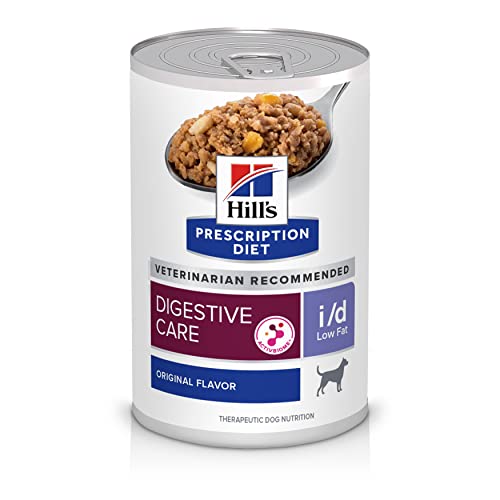
3. Hill's Prescription Diet i/d Low Fat Wet Dog Food
Wet food can be easier for some dogs with pancreatitis to digest, especially during flare-ups or recovery. Low fat wet diets help maintain hydration and gentle nutrition.
Hill's Prescription Diet i/d Low Fat Wet Dog Food is designed for dogs needing soft, highly digestible meals with controlled fat content. It's a good fit for dogs who struggle with dry kibble or need extra palatability.
- Low fat, high digestibility: Helps improve nutrient absorption and manage blood fat levels.
- ActivBiome+ ingredient technology: Supports a healthy GI microbiome.
- Antioxidant enriched: Promotes immune system health.
While this wet food offers clinical digestive support, it requires a prescription and may be less convenient for large dogs due to portion sizing.
- Gentle on sensitive stomachs
- Supports hydration
- Clinically proven ingredients
- Easy to serve
- Vet recommended
- Prescription required
- Higher cost per serving
4. Pro Plan EN Gastroenteric Low Fat Dry Dog Food 25 lb

Dogs with fat digestion issues need a diet that supports nutrient absorption without overwhelming their system. Low fat, highly digestible kibble is essential for ongoing digestive care.
Pro Plan Veterinary Diets EN Gastroenteric Low Fat Dry Dog Food in the 25 lb size is ideal for households with multiple dogs or those seeking a longer-lasting supply. It's a practical choice for managing chronic digestive sensitivities.
- Low fat formula: Supports dogs with difficulty digesting fat.
- Prebiotic support: Promotes GI microbiome balance and digestive health.
- Antioxidant-rich: High vitamin E content for immune support.
Compared to smaller bags or wet foods, this option offers convenience and value for larger households. The main tradeoff is the need for storage space and a prescription.
- Large bag size
- Supports GI health
- High-quality protein
- Prebiotic included
- Antioxidant support
- Prescription required
- Bulk size may not suit all
5. Annamaet Grain-Free Lean Reduced Fat Dry Dog Food
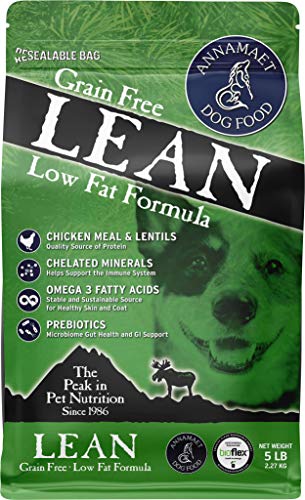
Some dogs with pancreatitis or weight issues also need to avoid grains or common fillers. A grain-free, reduced fat formula can support both digestive and weight management needs.
Annamaet's Lean Reduced Fat Dry Dog Food is crafted for dogs prone to being overweight or with sensitivities to grains. It's well-suited for owners seeking holistic, GMO-free nutrition with sustainable packaging.
- Grain-free and GMO-free: Suitable for dogs with grain allergies or sensitivities.
- High protein, low fat: Helps maintain lean body mass and manage weight.
- Sustainable packaging: Uses biodegradable materials for eco-conscious buyers.
Compared to traditional low fat foods, Annamaet prioritizes holistic ingredients and environmental responsibility. The tradeoff is that it may not address all clinical digestive needs for severe pancreatitis cases.
- Grain-free formula
- High protein content
- Family-owned brand
- Sustainable packaging
- No corn, wheat, or soy
- Not prescription strength
- Limited to dry format
Buying Guide: How to Choose the Best Low Fat Dog Food for Pancreatitis
Choosing the right low fat dog food for pancreatitis is a technical process that requires balancing fat content, digestibility, and ingredient quality. Owners must weigh the benefits of prescription formulas against non-prescription options, and consider whether dry, wet, or treat formats best suit their dog's needs. Many buyers mistakenly assume all "low fat" foods are equally safe or effective, but ingredient sources, digestibility, and veterinary oversight can make a significant difference.
- Prescription vs. Non-Prescription: Some low fat foods require a veterinary prescription and offer clinical support, while others are accessible over the counter.
- Dry, Wet, and Treat Formats: The list includes dry kibble, canned wet food, and low fat treats, each with unique benefits for palatability, hydration, and convenience.
- Fat Content and Digestibility: Not all low fat foods are equally digestible; look for formulas with added prebiotics, probiotics, or hydrolyzed proteins for sensitive dogs.
- Ingredient Quality: Some options use wild-caught fish, grain-free recipes, or avoid common fillers, which can be important for dogs with multiple sensitivities.
- Bag Size and Convenience: Products come in various sizes, from small trial bags to large bulk options, as well as single-serve treats.
- Misunderstandings: Many assume grain-free always means better for sensitive dogs, or that treats are off-limits—both are not always true if care is taken with ingredients and fat content.
Prescription vs. Non-Prescription Formulas
Prescription diets are formulated for clinical digestive support and often include proprietary technologies or ingredient blends. Non-prescription options can be suitable for mild cases or ongoing maintenance, but may lack the targeted support of vet-only formulas.
- Prescription diets: Required for dogs with severe or chronic pancreatitis, often with proven clinical results
- Non-prescription diets: Good for mild sensitivities or as a step-down from prescription foods
Dry Kibble, Wet Food, and Treats
Dry kibble is convenient and shelf-stable, while wet food can be easier to digest and more appealing for picky eaters or dogs with dental issues. Low fat treats allow owners to reward their dogs without risking digestive upset.
- Dry kibble: Best for daily feeding and multi-dog households
- Wet food: Useful for hydration and dogs with reduced appetite
- Treats: Choose low fat, simple ingredient options for sensitive dogs
Ingredient Quality and Sensitivities
Some dogs react to grains, poultry by-products, or artificial additives. Choosing foods with limited ingredients, real meat or fish, and no fillers can help minimize reactions.
- Grain-free options: Suitable for dogs with grain allergies
- Hydrolyzed proteins: Reduce risk of food sensitivities
- No artificial additives: Important for dogs with multiple sensitivities
Bag Size and Feeding Convenience
Large bags are cost-effective for multi-dog homes, while smaller bags are ideal for trial, travel, or single-dog households. Wet foods and treats offer flexibility but may require more frequent purchasing.
- Bulk sizes: Better value but need storage space
- Small bags: Reduce waste and are easier for travel
- Wet food cans: Require refrigeration after opening
Final Buying Advice
Selecting the best low fat dog food for pancreatitis comes down to matching your dog's health needs, taste preferences, and your own convenience. Always consult your veterinarian before switching to or from a prescription formula.
- Choose prescription diets for severe or chronic cases
- Consider ingredient sensitivities and avoid common fillers
- Use wet food for dogs with appetite or dental issues
- Treats are possible if low fat and simple
- Avoid overbuying large bags if trialing a new food
FAQ For Low Fat Dog Foods For Pancreatitis
1. Why is low fat dog food recommended for pancreatitis?
2. Can I feed my dog treats if they have pancreatitis?
3. Is a prescription diet always necessary for pancreatitis?
4. What should I look for in a low fat dog food ingredient list?
5. Are grain-free diets better for dogs with pancreatitis?
6. How do I transition my dog to a new low fat food?

James Vega
Related Posts
- Best Dog Foods For Gut Health: Top Picks
- Best Senior Dry Dog Foods: Top Picks
- Top 10 Best Dog Food For Pomeranians
- Best Dog Foods For Mini Australian Shepherds: Top Picks
- Best Dog Foods For Picky Eaters & Sensitive Stomachs: Top Picks
- Top 8 Best Dog Food Choices For Toy Aussies
- Best Dog Bowls For Goldendoodles: Top Picks
- Best Open Farm Dog Food Recipes: Top Picks
- Best Soft Dry Dog Foods: Top Picks
- Best Old Dog Food: Top Picks
- Best Toy Dog Foods: Top Picks
- Best Dog Food Large Breed: Top Picks
- Top 6 Best Fido Friend Dog Food
- Best Slow Feeder Dog Bowls: Top Picks
- Best Dog Food For Weight Loss Made In Usa: Top Picks
- Top 10 Best Foods For Dogs With Allergies
- Best Healthy Wet Dog Food: Top Picks
- Best Dog Foods For Dogs Without Teeth: Top Picks
- Top 6 Best Canned Dog Foods For Small Dogs
- Top 10 Best Dog Foods For Dogs Licking Paws